Dental Implants Cape Town for Personalized Treatment Options
Dental Implants Cape Town for Personalized Treatment Options
Blog Article
View Our Dental Implants Treatments: Restore Your Expression With Certainty
Dental implants have become a dependable option for those seeking to restore lost teeth. This advanced method combines surgical accuracy with custom design to achieve a natural appearance. Ideal candidates often enjoy significant improvements in both performance and confidence. Comprehending the procedure and its advantages is crucial for informed decision-making. As individuals reflect on their options, the next steps in the procedure may reveal even more persuasive motivations to contemplate this transformative service.

What Are Dental Implants and How Do They Function?
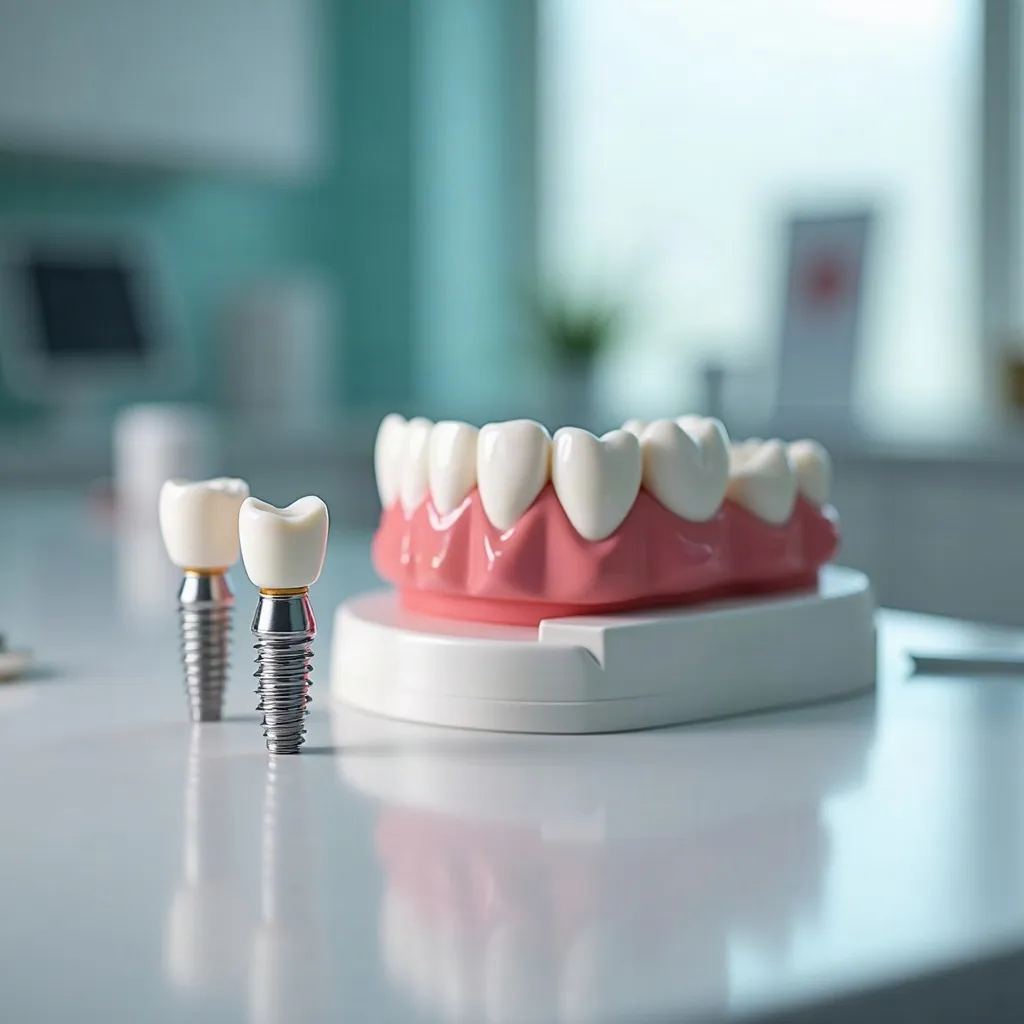
Dental implants are sophisticated tooth replacement systems created to restore absent teeth. They are made of three primary components: a titanium post, an abutment, and a crown. The titanium post is inserted into the jawbone, functioning as a secure root for the artificial tooth. Over time, this post bonds with the bone through a process called osseointegration, providing a strong foundation.
After the post has merged properly, an connector is positioned, which connects the post to the artificial tooth, known as the crown. This crown is custom-made to replicate the shape, size, and color of the patient's original teeth, providing a seamless appearance. Dental implants not only enhance aesthetics but also restore functionality, enabling patients to eat and communicate with ease. With proper care, dental implants can endure for many years, establishing them as a dependable option for tooth replacement., which attaches the post to the artificial tooth, termed the crown. This crown is Following the post has established successfully, an connector is placed, which binds the post to the prosthetic tooth, identified as the crown. This crown is personally crafted to match the shape, size, and color of the patient's healthy teeth, When the post has completed proper integration, an abutment is put in place, which unites the post to the false tooth, known as the crown. This crown is specifically designed to duplicate the shape, size, and color of the patient's natural teeth, producing a seamless aesthetic. Dental implants not only improve aesthetics but also restore functionality, permitting patients to bite and talk with ease. With appropriate care, dental implants can endure for many years, making them a reliable solution for tooth replacement.
Who Could Wish to Explore Dental Implants?
People lacking one or more teeth may find dental implants to be a practical option for improving their smile and function. Those looking for long-term solutions to tooth loss, as well as those dealing with discomfort with dentures, should explore this treatment. Dental implants offer a durable alternative that can boost both aesthetics and oral health.
Lacking One Or More Teeth
Many individuals face the loss of one or more teeth due to various reasons, such as trauma, decay, or gum disease. This dental issue can greatly impact an individual's self-esteem and overall standard of living. Those missing teeth may find it difficult to eat certain foods, speak clearly, or smile confidently. Dental implants provide a dependable solution for those looking to restore their smile and functionality. Ideal candidates for implants include adults who have healthy gums and sufficient bone density to support the implants. Additionally, individuals must be committed to maintaining good oral hygiene. Consulting with a dental professional can help assess suitability, guaranteeing that patients receive personalized care tailored to their specific needs and circumstances.
Wanting sustained fixes
For those pursuing a enduring remedy to missing teeth, dental implants present a effective option. Individuals who have misplaced one or more teeth due to injury, deterioration, or periodontal disease may benefit greatly from this treatment. Dental implants are notably suitable for patients with sufficient jawbone density, as the implants require a dependable base for support. Additionally, those who prioritize visual appeal and usability in their dental restoration will find implants to be a desirable choice. Unlike dentures, which may require routine modifications, implants are designed to be an permanent solution, enhancing both confidence and quality of life. Ultimately, anyone pursuing a resilient and lifelike restoration should evaluate dental implants as a viable option.
Dealing with Denture Soreness
Denture pain affects a considerable number of wearers, encouraging a reassessment of their oral options. Many people find traditional dentures unpleasant, leading to issues such as inflammation, trouble chewing, and a lack of self-assurance in social situations. For these individuals, dental implants present a practical alternative. Unlike dentures, implants deliver support and a natural feel, removing the slipping and soreness often linked with removable prosthetics. Candidates for dental implants typically include those suffering from persistent pain from dentures, as well as individuals with sufficient jawbone density. By opting for dental implants, wearers can enjoy enhanced functionality and aesthetics, ultimately reviving their smile and self-assurance. This change can greatly enhance overall well-being for those struggling with denture-related challenges.
What to Prepare For With the Dental Implant Procedure?
Knowing what to expect from the dental implant process can ease concern and establish practical objectives for individuals. Initially, a thorough assessment is performed, featuring imaging and assessments of oral health. This enables identify the suitability of implants for the individual.
The procedure typically encompasses several steps, commencing with the surgical placement of the titanium implant into the jawbone. This functions as a root for the man-made tooth. After placement, a healing period develops, usually lasting a few months, enabling bone integration to occur.
Following healing, an abutment piece is bonded to the implant, then the insertion of a custom crown that complements the patient's natural teeth. As treatment progresses, pain management options are presented to maintain ease. Scheduled check-ups are fundamental to monitor mending and tackle any uncertainties, offering a direction toward a renewed smile with elevated confidence.
Preserving Your Dental Implants: Top Practices
While dental implants offer a long-lasting option for tooth replacement, proper care is crucial to guarantee their longevity and functionality. Consistent dental hygiene routines are important; brushing twice daily and using dental floss can help prevent plaque buildup around the implants. Patients should use a soft-bristle toothbrush and non-abrasive toothpaste to avoid harming the adjacent gums.
Frequent dental check-ups are also vital, as dentists can assess the health of the implants and adjoining teeth. In addition, eliminating hard and sticky foods can prevent undue stress on the implants and maintain their firmness.
For those who use tobacco, cessation is strongly advised, as smoking can slow recovery and raise the likelihood of implant failure. Maintaining a balanced diet full of vitamins and minerals promotes overall oral health, further improving the longevity of dental implants. By following these best practices, individuals can appreciate their restored smiles for many years.
The Rewards of Going with Dental Implants for Your Smile
Selecting implant treatment can wonderfully improve a person's smile, as they supply a durable and beautiful solution for missing teeth. Unlike traditional dentures, implants fuse with the jaw bone, granting structural support and a natural feel. This integration helps to maintain bone thickness, preventing the facial structure from declining over time.
Also, dental implants involve no extra maintenance beyond typical dental hygiene habits, making them a user-friendly choice. Patients often experience better speech performance, as implants eliminate the fear of slipping that can occur with dentures.
Furthermore, they deliver a enduring remedy, with many implants remaining a lifetime when correctly maintained. The assurance gained from having a whole smile can significantly enhance self-esteem and encourage social interactions. Overall, dental implants not only return functionality but also elevate the quality of life for individuals pursuing a permanent solution to tooth loss.
Why Go with Us for Your Dental Implant Services?
Regarding dental implant services, patients can feel confident that skilled care and individual focus are essential to their journey. The clinic is proud to employ accomplished professionals who concentrate on implant dentistry, ensuring that all patients obtain individualized treatment plans that tackle their individual needs. Cutting-edge technology and innovative techniques are used to improve precision and comfort during the procedure, minimizing recovery time and enhancing results.
Moreover, a pledge to patient education means that individuals are well-informed throughout their journey, fostering a key information sense of assurance and peace of mind. The team also prioritizes a hospitable atmosphere, where patients feel valued and supported. With a strong history of positive results and pleased patients, the clinic stands out as a dependable choice for those desiring to restore their teeth. In the end, picking this clinic means picking quality care and lasting outcomes for dental implant treatments.
Frequently Posed Questions
How long Do Dental Implants Typically Last?
Dental implants generally last from 10 to 30 years, depending on factors such as oral hygiene, lifestyle, and bone health. Routine dental check-ups can help guarantee their longevity and overall success in recovering functionality.
Are Dental Implants Covered by your insurance plan?
Dental implants may be somewhat covered by health coverage, based on the plan. Many plans offer coverage for surgical treatments or restoration, but coverage varies widely. People should consult their insurance provider for specific details about their policy.
What Are the Dangers Associated With Dental Implants?
Dental implants pose dangers such as infection, neurological injury, implant failure, and complications related to anesthesia. Additionally, incorrect positioning can result in problems like bone deterioration or gingival recession, emphasizing the importance of experienced dental professionals.
Will I Be Able To Dine As Usual Following Implant Placement?
Once getting dental implants, individuals can typically resume normal eating within a few weeks. Initially, soft foods are suggested to aid healing, but most people return to their regular diet as comfort allows.
How Can I Assess if I'm a Suitable Applicant?
A good candidate for dental implants generally has healthy gums, sufficient jawbone density, and a commitment to oral hygiene. Consulting with a dental professional can offer a comprehensive assessment to establish personal qualification for the treatment.
Report this page